What makes many people prefer to invest in Land over other long term investment options:
- Tangible Asset: Land is a tangible asset, meaning you have physical ownership of it. Unlike stocks or bonds, which are intangible, land provides a sense of security as you can see and touch your investment.
- Limited Supply: Land is a finite resource, and its supply cannot be increased. As population grows and urbanization increases, the demand for land also rises, leading to potential appreciation in its value over time.
- Potential for Appreciation: Historically, land values tend to appreciate over the long term, especially in areas experiencing economic growth, urban development, or infrastructure improvements. This appreciation can provide substantial returns on investment.
- Income Generation: Land can generate income through various means such as agricultural activities, leasing for commercial or residential purposes, or development for real estate projects. This income stream can provide a steady cash flow over time.
- Hedge Against Inflation: Land is often considered a hedge against inflation. As the general price level of goods and services rises over time, the value of land tends to increase as well, preserving your purchasing power.
- Diversification: Investing in land can diversify your investment portfolio, reducing overall risk. Land investments typically have low correlation with other asset classes like stocks and bonds, which means they may perform differently under different market conditions.
- Security and Ownership Rights: Land ownership in Kenya comes with legal rights and protections. Owning land grants you control over the property and the ability to use, develop, or transfer it according to your preferences.
- Tax Advantages: In Kenya, land investments may offer tax benefits such as capital gains tax exemptions under certain conditions. Additionally, property taxes on land are often lower compared to taxes on other types of assets.
However, it’s essential to conduct thorough research and due diligence before investing in land. Factors such as location, zoning regulations, market trends, and potential risks should all be carefully considered to make informed investment decisions. Additionally, investing in land requires significant capital upfront and may involve ongoing maintenance costs. Therefore, investors should assess their financial goals, risk tolerance, and investment horizon before committing to land investment in Kenya or any other market.

 Ruiru,Kiambu County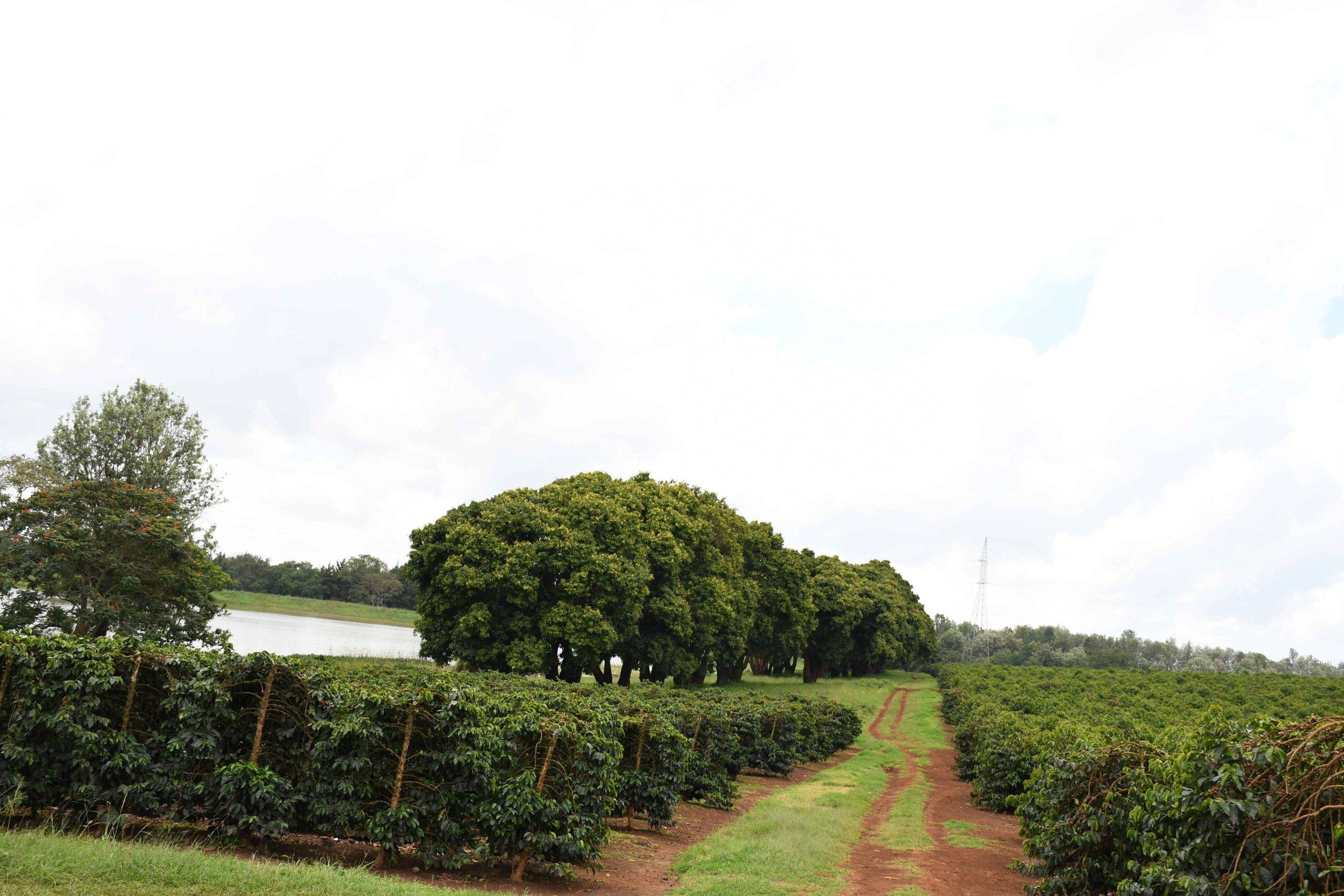



 Ruiru,Kiambu County